

 Pediatric Eye Exam
 Diabetic Eye Exam
 Locate Us
Who Should Get Tested for Glaucoma - and How Often?
Blog:Who Should Get Tested for Glaucoma - and How Often?
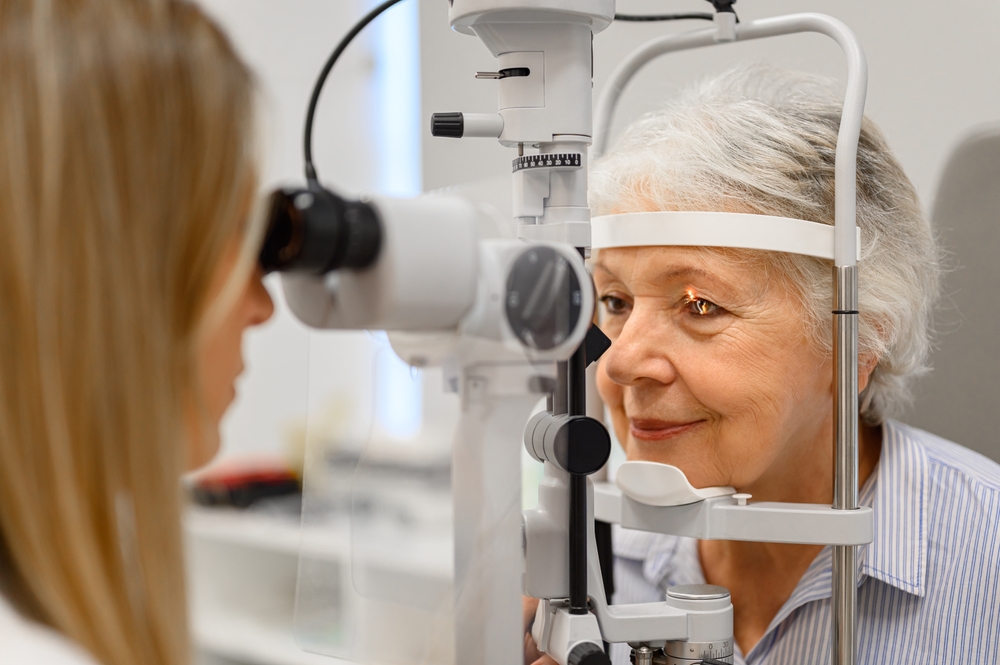
Who Should Get Tested for Glaucoma - and How Often?
Who Should Get Tested for Glaucoma - and How Often?
Glaucoma often arrives without warning. It has no early symptoms. You can lose peripheral vision for years without noticing a thing. By the time you do, the damage is permanent. That is what makes regular testing so important. Knowing who is at risk and how often to check can protect your sight for a lifetime.
Glaucoma destroys the optic nerve, usually due to increased pressure inside the eye. The only way to catch it early is with a comprehensive eye exam that checks eye pressure, examines the optic nerve, and tests the visual field.
Who Is at Risk
Anyone can develop glaucoma, but certain people face a much higher chance. If any of the following apply to you, regular testing is not just a good idea. It is an important step to protect your vision.
- Age. The risk of glaucoma rises after age 40 and climbs sharply after 60. Simply getting older increases the likelihood of the disease.
- Race and ethnicity. People of African, Afro-Caribbean, or Hispanic descent are at significantly higher risk. Glaucoma often develops earlier and progresses faster in these groups.
- Family history. If a parent or sibling has glaucoma, your own risk increases several times. This strong genetic link means you should start testing earlier than the general population.
- High eye pressure. Also called ocular hypertension, this is one of the most direct warning signs. Not everyone with high pressure gets glaucoma, but it greatly raises the odds.
- Thin corneas. A thinner-than-average cornea can mask the true eye pressure reading. This puts you at higher risk even if your pressure numbers look normal.
- Medical conditions. Diabetes, high blood pressure, and extreme nearsightedness all increase the chance of developing glaucoma. Long-term use of corticosteroid medications can also raise eye pressure.
- Past eye injury or surgery. A prior eye injury or certain eye surgeries can damage the drainage system inside the eye, increasing the risk of glaucoma later in life.
How Often Should You Get Tested
The right schedule depends on your age and the number of risk factors you carry. If you are under 40, a comprehensive eye exam every 5 to 10 years is a reasonable baseline.
However, when you get to 40, you will need to get more frequent exams. If no risk factors are present in your first exam, an exam every 2 to 3 years will suffice. Maintain this frequency through your forties and early fifties. From 55 to 64, a check every 1 to 2 years keeps you on track. After 65, a yearly exam is the safest routine.
If you have one or more risk factors, your schedule should be more frequent. People with a family history, African or Hispanic heritage, diabetes, high eye pressure, or thin corneas need an eye exam at least every 1 to 2 years, starting at a younger age.
What Happens After a Diagnosis
A glaucoma diagnosis will mean that you must move from occasional screening to regular monitoring. You will now need to book appointments with your eye doctor every 3 to 4 months. During these visits, prepare to have your blood pressure checked and to undergo an eye exam to assess your optic nerve health and peripheral vision. If things stay stable, visits may stretch out. If changes appear, they become more frequent.
For more on who should be tested for glaucoma, visit Texas State Optical. Our office is in Round Rock, Texas. Call (512) 828-5500 to book an appointment today.
https://glaucoma.org/articles/how-often-should-i-see-my-doctor-if-i-have-glaucoma
Quick Links
Helpful Articles
article_category: services
article_category: contact lenses
article_category: technology
article_category: surgical procedures
article_category: ocular disease management
article_category: products
article_category: eye health
article_category: eye surgery co-management
article_category: eyeglasses
[]
article_category: contact lenses
article_category: technology
article_category: surgical procedures
article_category: ocular disease management
article_category: products
article_category: eye health
article_category: eye surgery co-management
article_category: eyeglasses
[]
Flowbite is an open-source library of interactive components built on top of Tailwind CSS including buttons, dropdowns, modals, navbars, and more.
Check out this guide to learn how to get started and start developing websites even faster with components on top of Tailwind CSS.

All Eyecare Services
We offer a wide variety of eye care services to the Round Rock community. Contact us with any questions about our services.

Keep In Touch
For non-urgent questions or to learn more about our services, contact us today!

Contact Information
Office Hours
- Monday 9:00 AM - 5:30 PM
- Tuesday 10:00 AM - 7:00 PM
- Wednesday 9:00 AM - 5:30 PM
- Thursday 10:00 AM - 7:00 PM
- Friday 9:00 AM - 5:30 PM
- Saturday 9:00 AM - 1:00 PM
- Sunday Closed
- Monday
- Tuesday
- Wednesday
- Thursday
- Friday
- Saturday
- Sunday
- Monday
- Tuesday
- Wednesday
- Thursday
- Friday
- Saturday
- Sunday
© 2026 Texas State Optical. All rights Reserved - Accessibility Statement - Privacy Policy - Terms And Conditions - Sitemap
Managed and Designed by 